
How to Plan a Weekly Meal Menu That Saves Time and Money

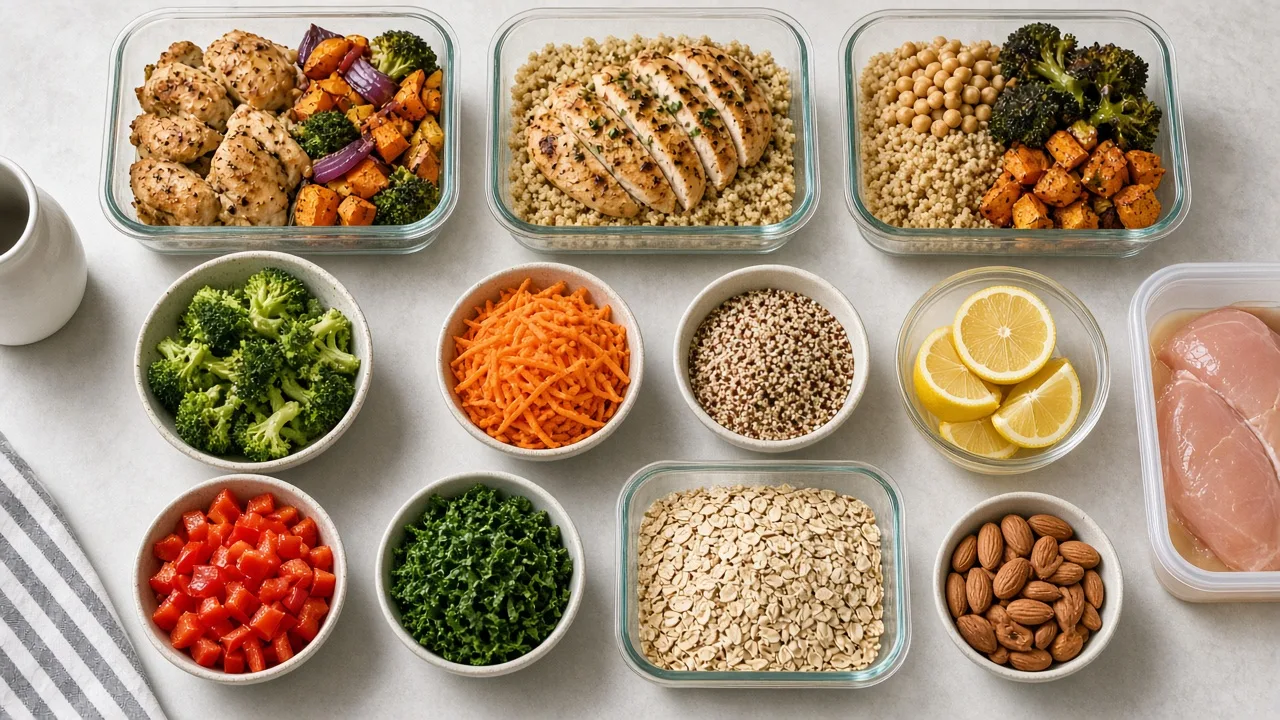
Deciding what to cook each night is one of the most common household frustrations. Without a plan, it is easy to end up buying duplicate items, letting produce spoil or ordering takeout because the fridge seems empty. A simple weekly meal plan can ease that daily decision, reduce waste and keep your food budget under control.
Start by Looking at Your Week
Check your calendar for evenings that will be busy, nights when you will eat out and meals that need to be packed for work or school. Plan fast, simple dishes for the busiest days and save more involved recipes for days when you have time. A realistic plan is more likely to work than an ambitious one.
Take Stock of What You Have
Before making a list, look through the refrigerator, freezer and pantry. Build meals around ingredients that need to be used soon, such as vegetables nearing the end of their freshness or half-used packages. This habit can noticeably reduce waste and spending.
Choose a Simple Framework
- Theme nights. Assign a theme to each night, such as pasta, stir-fry, soup, tacos or sheet-pan dinners. Themes narrow choices and make planning faster.
- Cook once, eat twice. Roast a larger chicken or cook extra rice and use the leftovers in a different dish later in the week.
- Rotate favorites. Keep a list of family favorites and rotate in one or two new recipes each week.
Balance Your Meals
Aim for a mix of vegetables, protein and whole grains or other fiber-rich foods. Plan vegetarian meals on some nights if you wish to reduce costs. Keep a few healthy snacks and breakfast options on hand so that the plan covers the whole day.
Write a Targeted Grocery List
- Organize the list by store section, such as produce, dairy, meat and pantry, to shop more efficiently.
- List quantities based on the recipes, and avoid buying large amounts of perishables you will not use.
- Check weekly store ads or apps for sales, and be flexible if a substitute is cheaper.
- Stick to the list, and avoid shopping when hungry.
Prep Ahead
Set aside an hour on the weekend to wash and chop vegetables, cook grains, marinate proteins or prepare sauces. Store prepared ingredients in clear containers so that they are easy to see. Label leftovers with the date, and eat them within a few days or freeze them.
Food Safety Basics
Keep cold food cold and hot food hot, refrigerate leftovers promptly and reheat to a safe temperature. Thaw frozen food in the refrigerator, in cold water or in the microwave rather than on the counter.
Stay Flexible
Plans change. Keep one or two backup meals available, such as pasta with canned tomatoes or eggs and toast, for nights when things do not go as expected. If you skip a planned meal, move it to another night so that ingredients are not wasted.
Review and Adjust
At the end of the week, note what worked and what did not, and keep recipes that were popular. Over time, your plan will become faster to create and better suited to your household.
Comments are closed.